
Utah City
Vineyard, Utah · with Torti Gallas + Partners · for Flagship
The Commission
Flagship is building a city on 700 acres on the eastern shore of Utah Lake, on ground that was once Geneva Steel. The plan runs on a fifteen-year horizon. Utah Valley University is bringing an extension campus. District energy runs on geothermal and recycled waste heat. The first residential buildings are leasing and the first retail is trading.
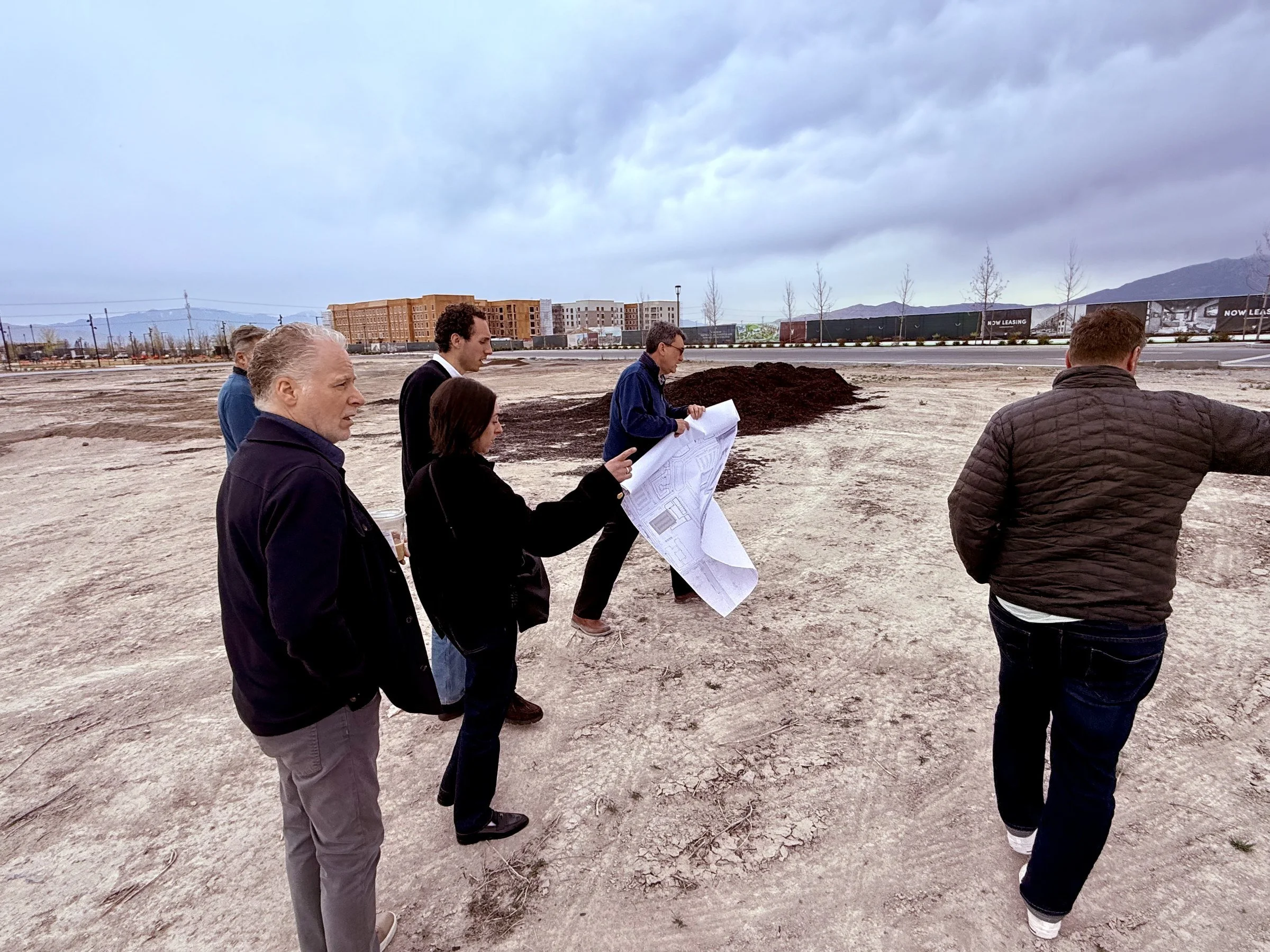
Flagship's internal team had built pro formas for the multifamily and, to a lesser degree, a boutique hotel. Those models answer whether a building works.
They asked us a different question, with Torti Gallas + Partners: what should the downtown core actually be? Not the returns on any single asset, but the mix‚ multifamily, hospitality, retail, restaurants, wellness, services‚ and how the combination drives absorption, phasing, rents, price points, and land value.
That is the question a pro forma cannot reach. A building model evaluates a building. It cannot tell you whether the retail is supportable given the residential, what the hotel does for the restaurants, or which phase has to come first for any of it to work.
What We Did
We started with the place. Vineyard sits between the Wasatch and the lake, in one of the youngest and fastest-growing counties in the country, with two major universities nearby and a commuter rail station on the site. None of that is incidental — it determines who is there, when, and what they do.
Then the people. Who lives within fifteen, thirty, and forty-five minutes, how those populations differ, and what the households Utah City actually attracts look like against the households already in Vineyard. Behavioral segmentation, not just demographics: what they spend on, where they go, what they will pay a premium for.
Then the commerce. Every use, examined on its own terms — multifamily, student housing, office, health care, hotel, retail, food and beverage, venues, entertainment — against what the region already supports, what is under construction, and where the gaps are.
Then the synthesis. Which uses belong in the bundle, at what scale, in what sequence, and on what timeline. Phase Zero fills what is already there. Phase One builds the momentum that makes everything after it possible.
What We Found
Utah City's position is structural, not aspirational. At the geographic center of the lake, with the rail station and no close premium competitor, it can become the regional gathering place the surrounding nodes cannot — the place people drive to rather than past. The land supply around it is inelastic, so as each neighboring market fills in, Utah City absorbs the displaced premium demand.
The development question was never whether that opportunity exists. It was whether the land uses, program, timing, and tenant mix are calibrated to capture it.
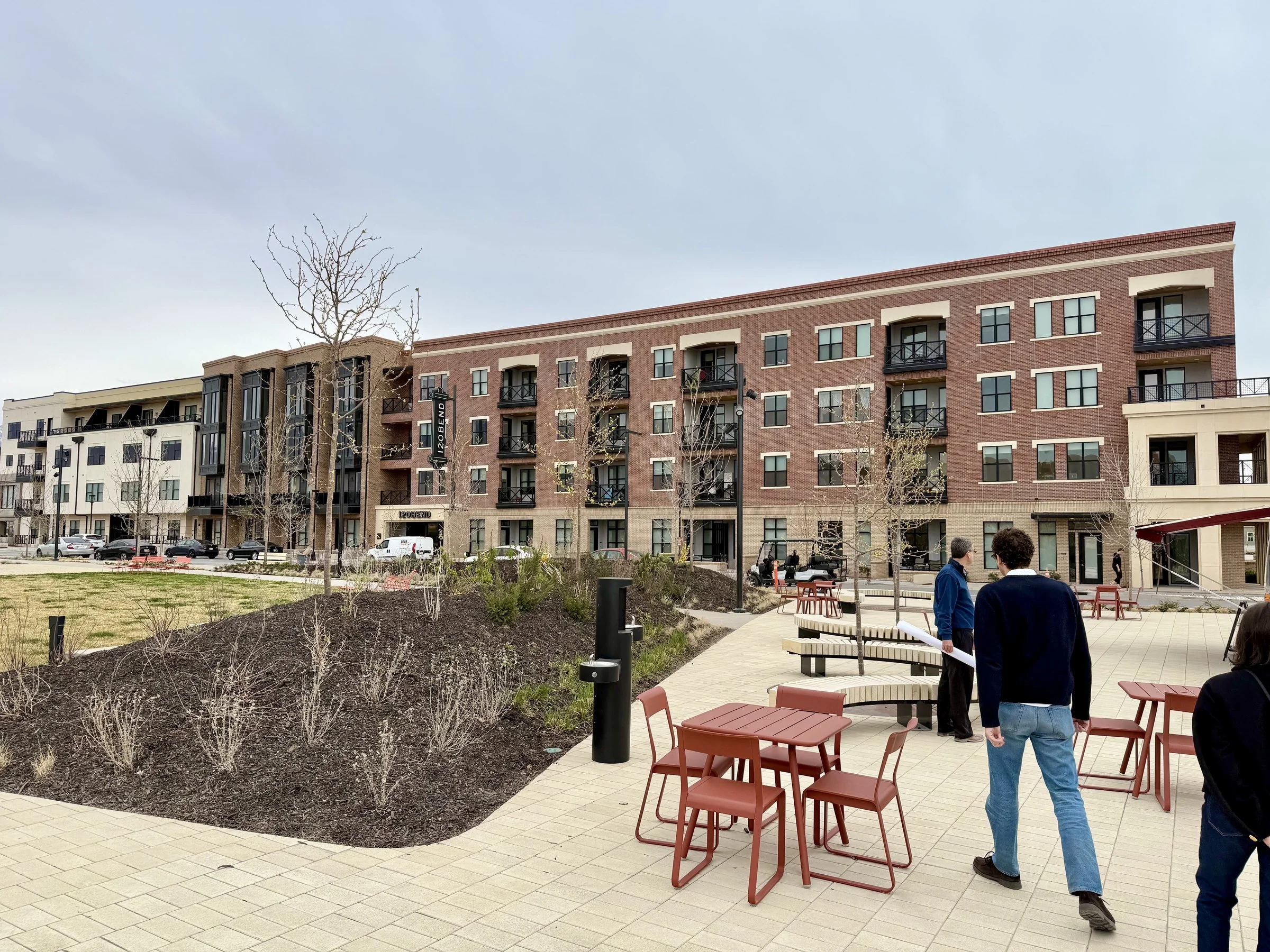
The buildings are right, and the place is ahead of the market. The early residential asset was not the problem. The place around it had not caught up yet — which is precisely what the bundle, properly sequenced, is built to fix.
The economics are clear. The premium is real. Capturing it is a design decision.
The Team
Flagship, developer. Torti Gallas + Partners, planning and urban design. Hoffman Strategy Group, economics. A charrette in March 2026 brought the work together into a single strategy the client's broader team — architects, landscape architects, engineers, operators — now builds against.